
PRISM
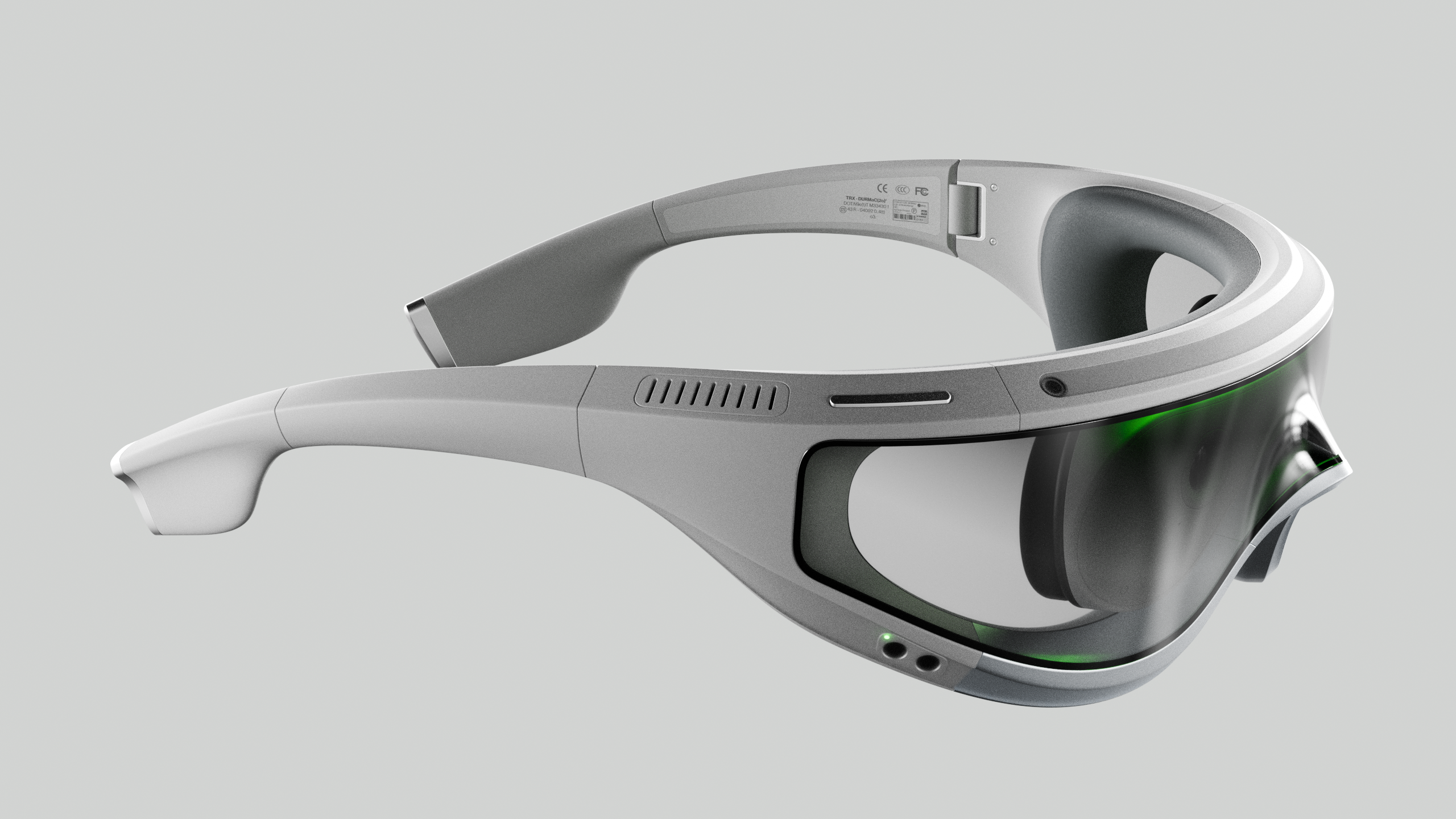
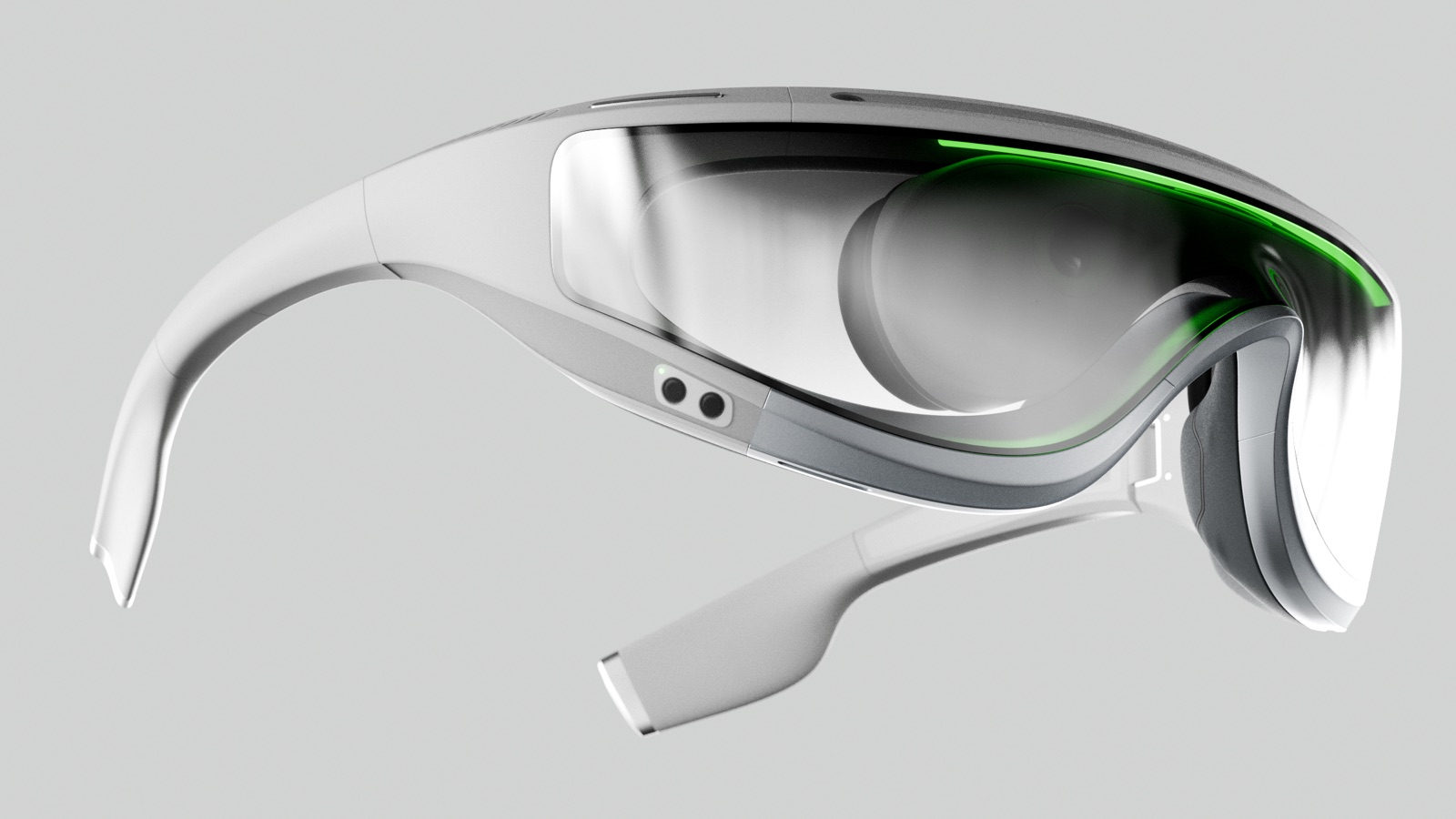
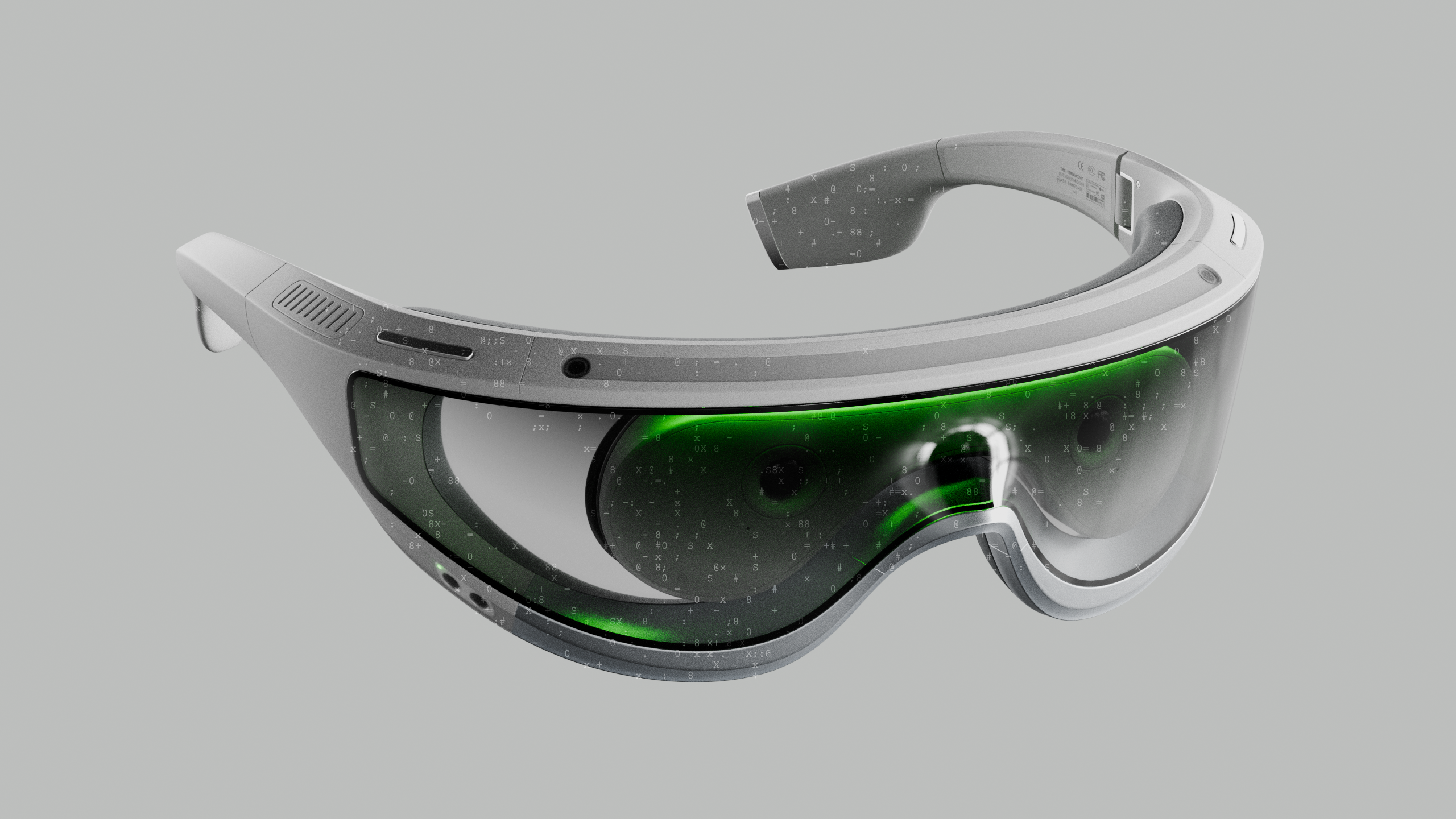
PRISM is designed to be worn like the glasses you already love — light on the face, quiet in appearance, and effortless from the first moment.
Can XR feel less
like a computer?
Most devices announce their engineering. PRISM starts from the wearer instead — a silhouette chosen for how it looks, a fit that disappears within minutes, and surfaces that belong to fashion rather than to machines.
Elegance begins with a line.
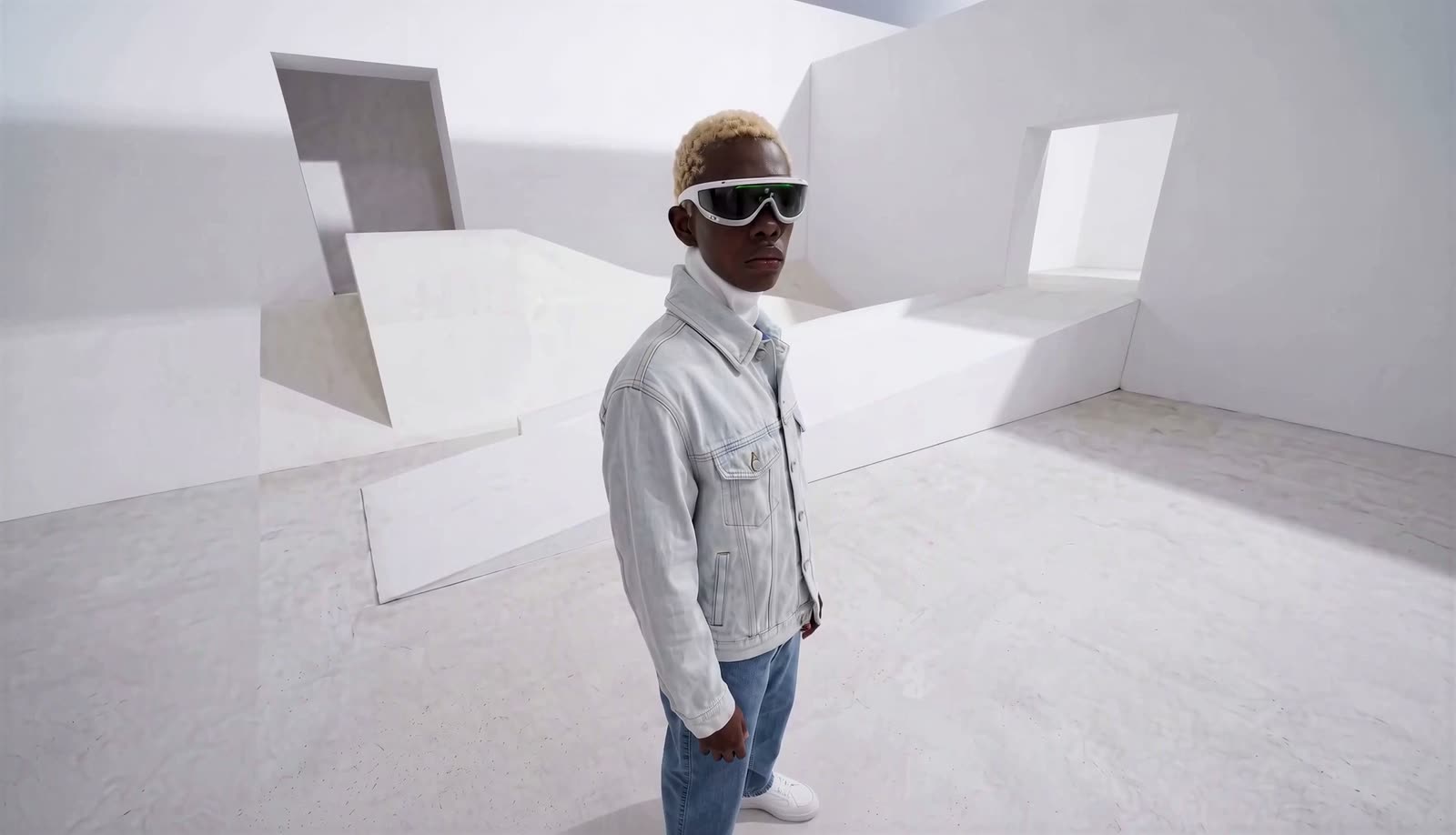
The product returns to the body.
Quiet engineering,
worn lightly.
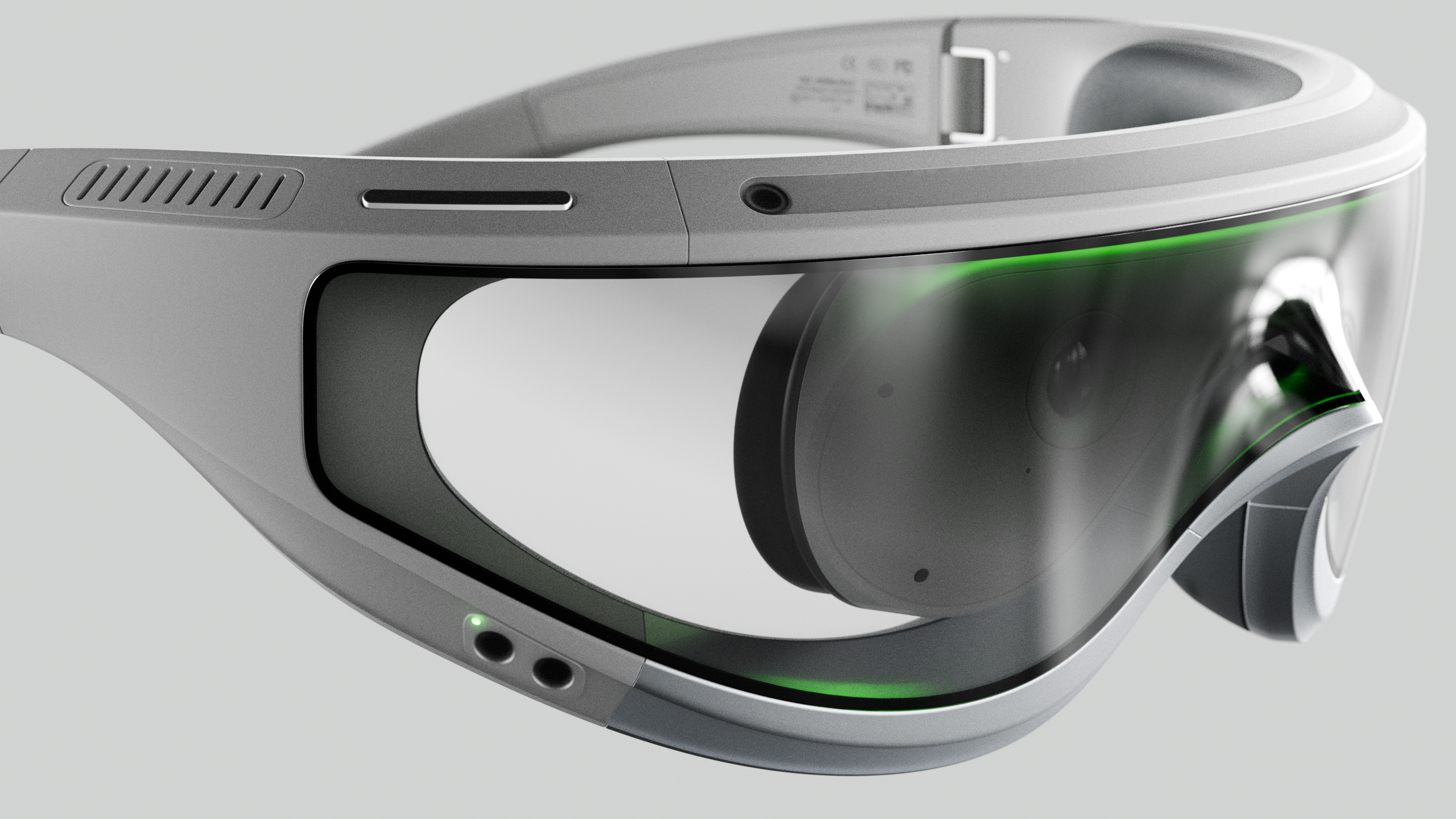
Optical zone
A clear, open front that reads as fine eyewear before anything else.
Temple structure
Slim temples carry the detail, like the arm of a well-made frame.
Rear volume
Balanced so the face, not the device, stays the focus.
Nose bridge
Tuned to rest naturally, the way good glasses do.
Protective shell
One continuous surface — no seams announcing technology.
From object to experience.

Approach
First glance: an accessory, not a device.
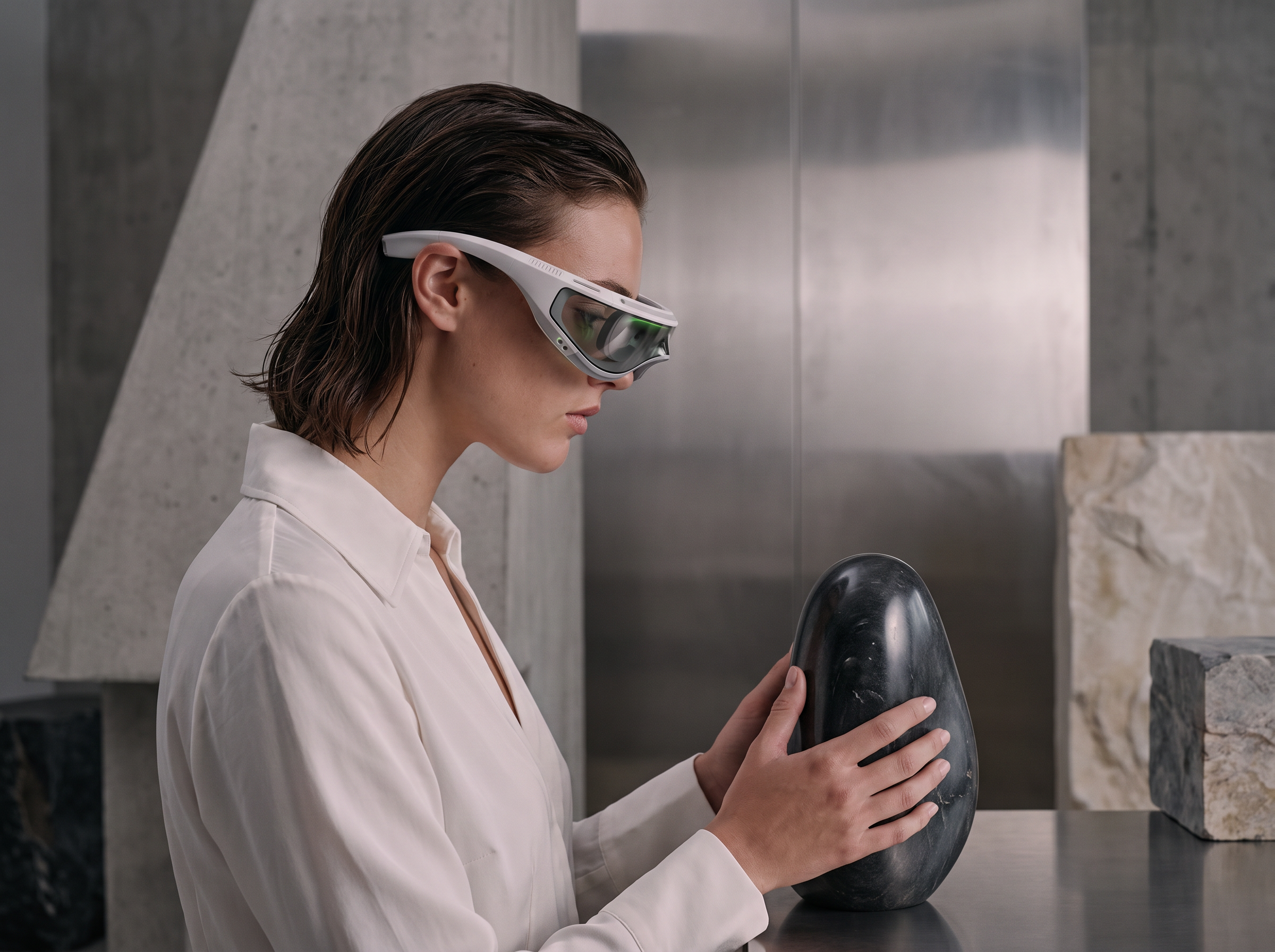
Engage
While you are in it, the product stays out of the way.

Return
Taking it off ends a moment, not a session.
Fashion is not the finish. It is the starting point.
PRISM starts with the way fashion makes an object worth wearing. The silhouette and proportions come first. The technology then fits into that form, so the device can sit on the body without taking over the way it looks or feels.
- 01 / Silhouette
- A form that feels natural on the body.
- 02 / Integration
- Optics and sensing sit inside the form.
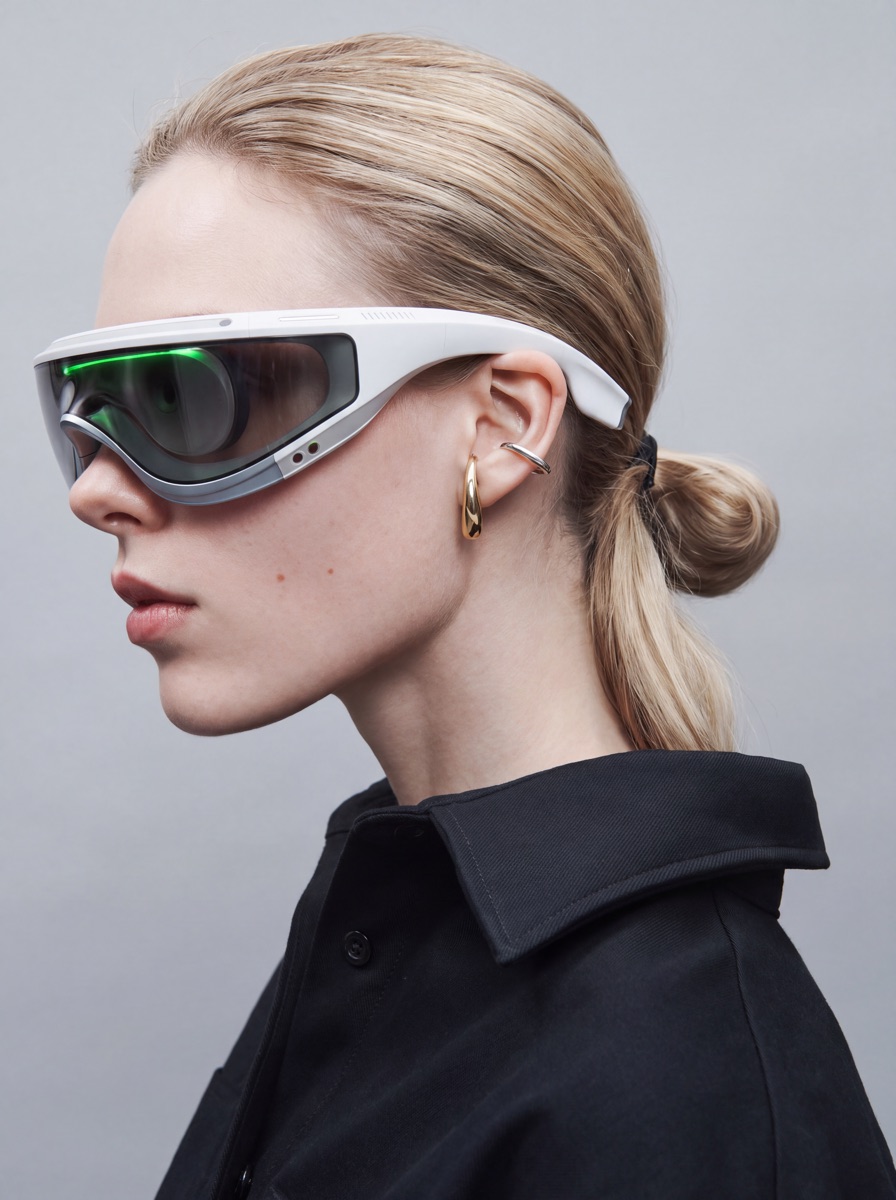
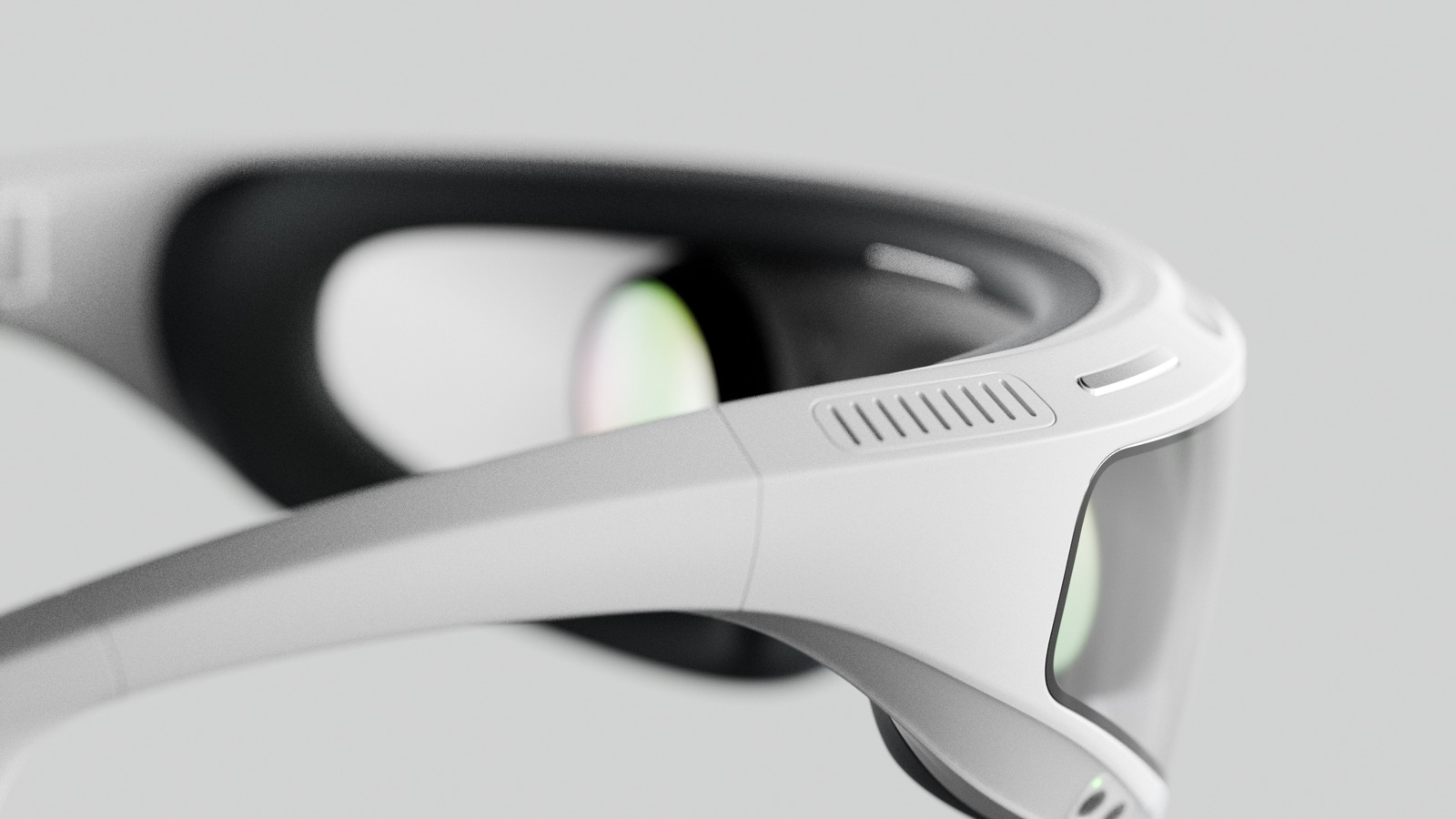
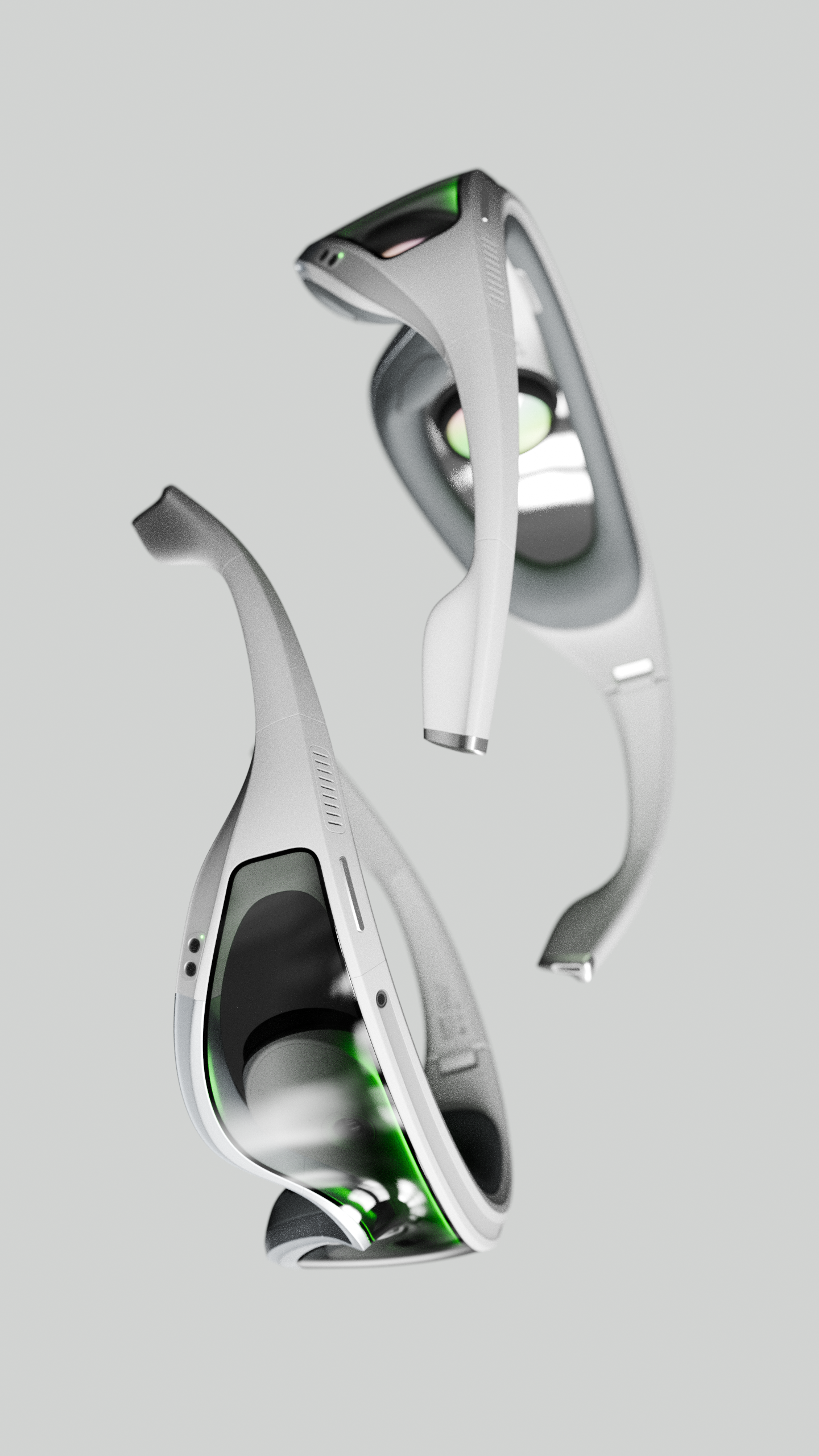
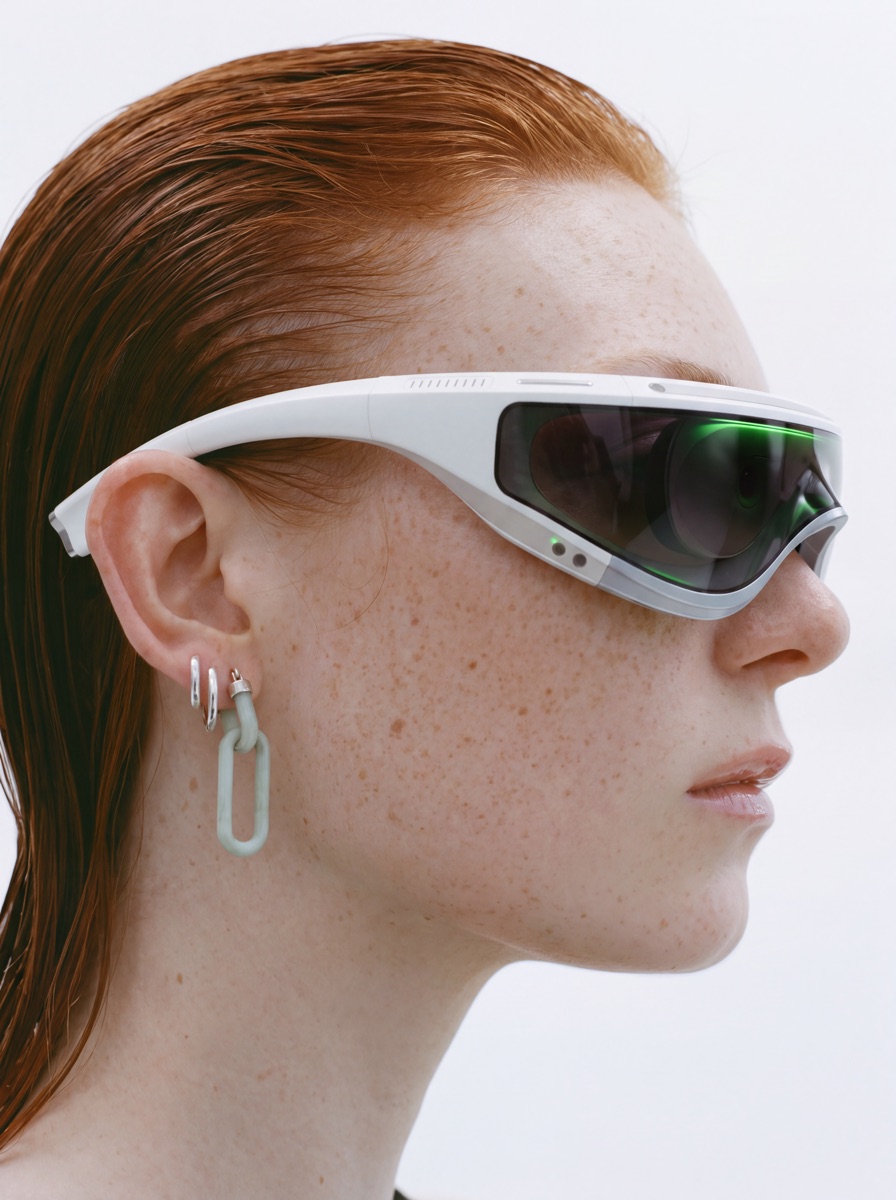

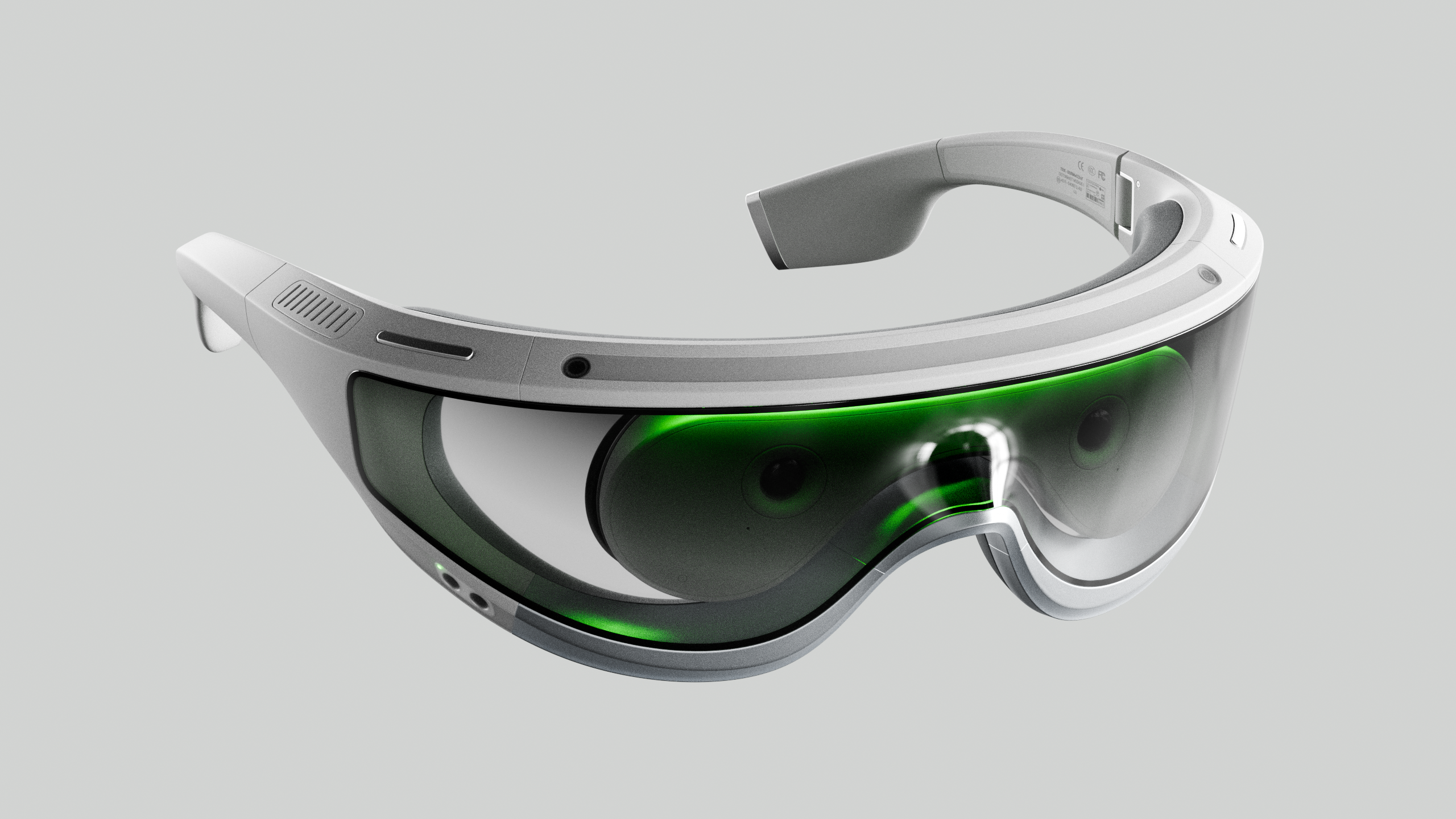
Three decisions shape how PRISM is worn.
Reduce visual mass
Keep the front clear. PRISM reads as eyewear before the technology comes into view.
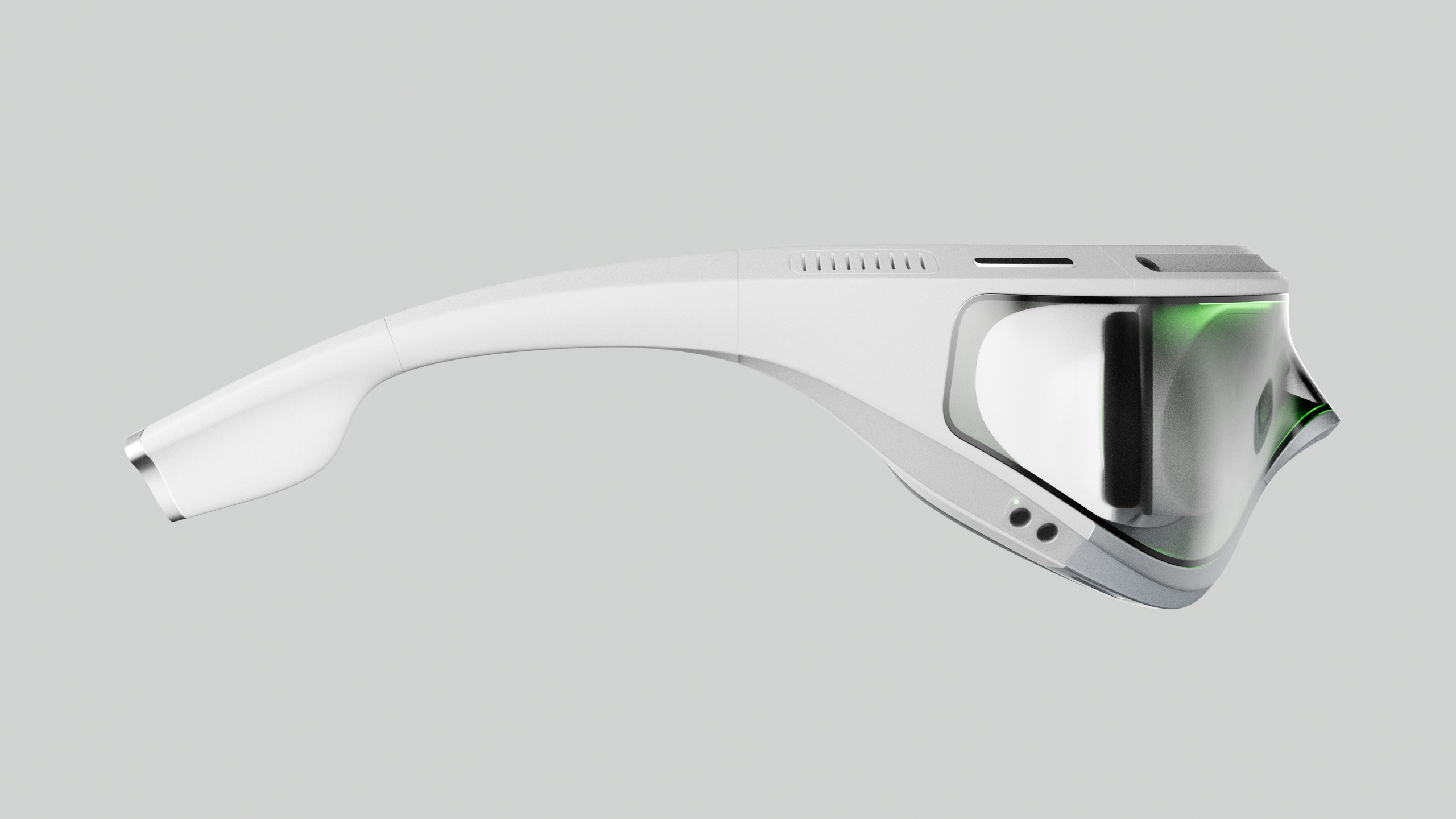
Move volume away from the face
The extra volume moves toward the side and back, leaving the face and profile more open.
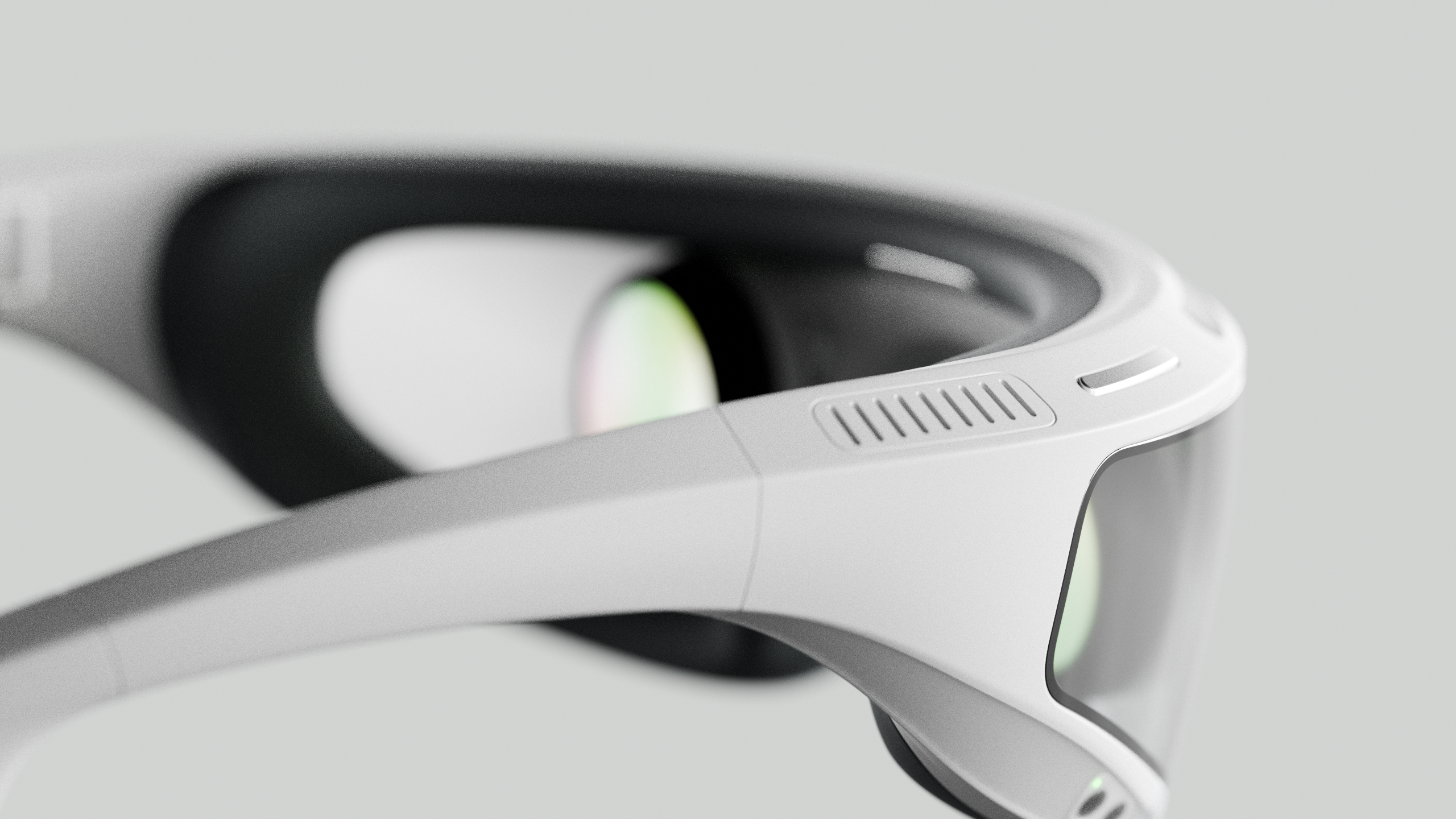
Make technology feel quiet
Use one continuous surface around the optics, cameras, and joins so the hardware stays quiet.
From form study to production.
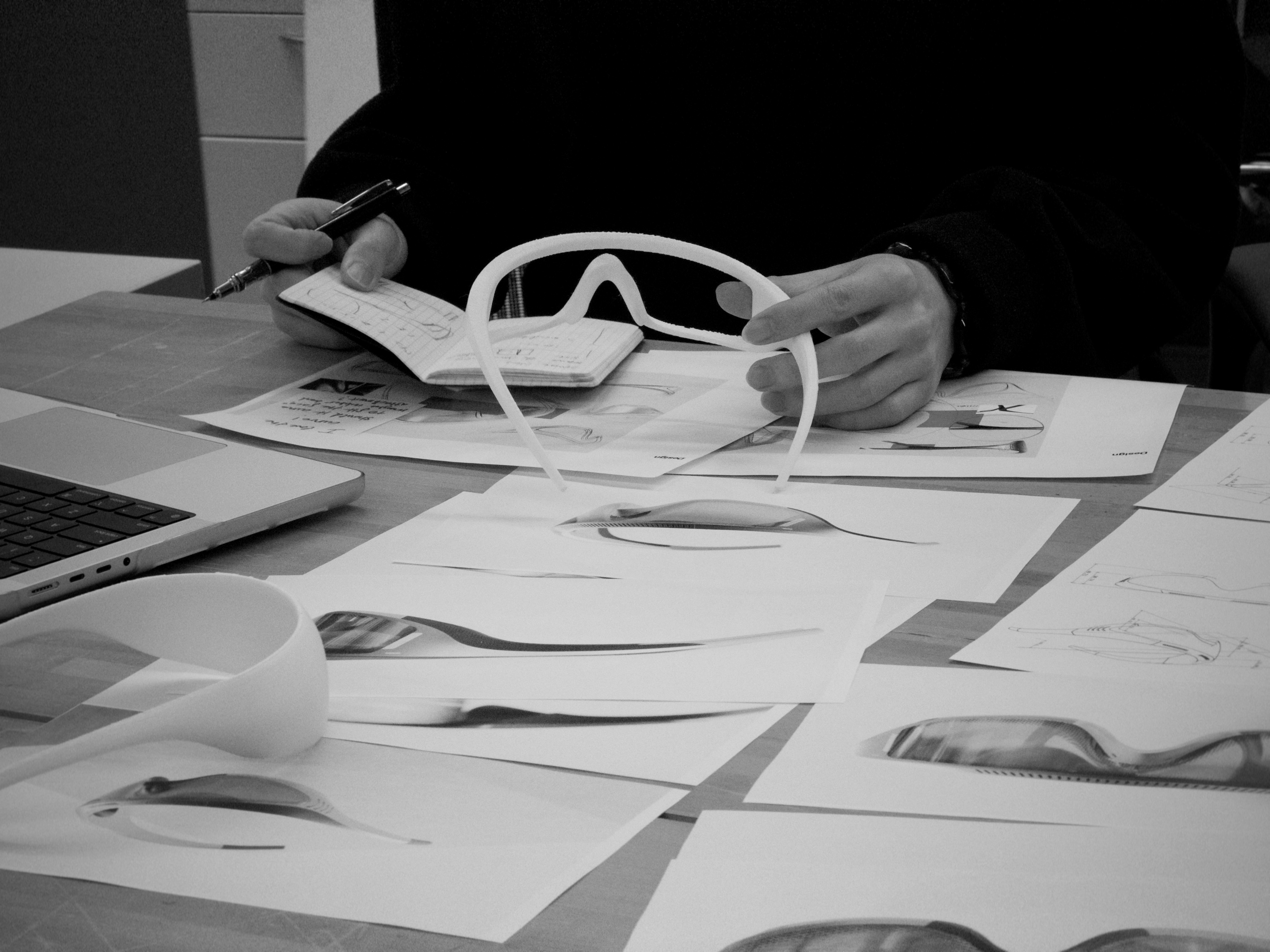
We use sketches, CAD, and physical models to test the product early. That work gives suppliers clearer decisions to build from and gives the final design a stronger path into production.
- Direction
- Product strategy, form, and material decisions.
- Development
- CAD, physical models, 3D prints, and fit studies.
- Production
- Supplier communication, sample reviews, and production handoff.